
If you’ve ever thought, “Technology seems interesting, but I have no idea where to start,” you are definitely not alone. In today’s world, technology is everywhere: in our phones, cars, workplaces, and even household appliances. Learning tech skills is no longer optional—it is a way to empower yourself, stay relevant, and open up opportunities.
The good news? You don’t need to be a tech expert or a coding genius to start. All you need is curiosity and a willingness to learn. This guide will walk you through everything you need to know about tech learning for beginners in a simple, practical, and friendly way.
What Is Tech Learning for Beginners?
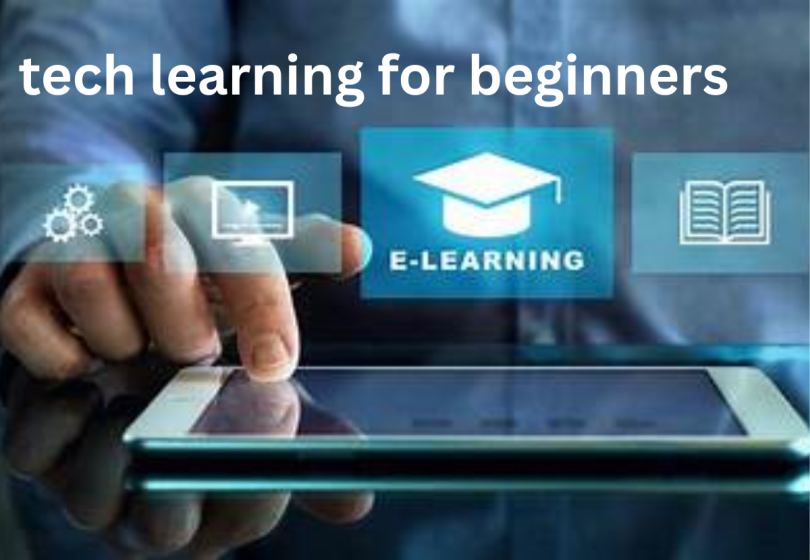
Tech learning means gaining the knowledge and skills to understand and use technology effectively. For beginners, it focuses on building foundational skills such as:
- Understanding how computers and the internet work
- Using common software and apps
- Basic digital skills like email, online safety, and cloud storage
- Exploring coding, graphic design, data analysis, or AI tools
Think of it like learning a new language. You start with the basics, practice regularly, and gradually become comfortable and confident.
Why Tech Learning for Beginners Is Important
Tech learning offers numerous advantages, especially for beginners. Here’s why starting now is a great idea:
1. Technology is everywhere
Almost every job, industry, and daily activity involves technology. The more you know, the easier it is to navigate your personal and professional life.
2. Builds confidence
Technology can feel intimidating at first, but learning step by step reduces anxiety and boosts your confidence in using digital tools.
3. Opens new opportunities
Learning technology can help you pursue better jobs, start new hobbies, freelance, or even launch your own projects online.
4. Promotes digital safety
Understanding technology basics helps you avoid scams, protect personal information, and make smarter decisions online.
Where to Start Learning Tech
Getting started doesn’t have to be complicated. Beginners can follow these key steps:
1. Learn Basic Computer Skills
Before exploring advanced topics, make sure you can:
- Navigate a computer confidently
- Use a keyboard and mouse efficiently
- Manage files and folders
- Adjust settings
- Install and use software applications
2. Understand the Internet
The internet is a powerful tool for learning and work. Beginners should know:
- How to use web browsers like Chrome, Edge, or Safari
- How to search for information effectively
- How to identify trustworthy websites
- How to use email professionally
3. Choose a Beginner-Friendly Tech Path
Technology is vast, so it helps to focus on one area at a time. Some beginner-friendly paths include:
Coding (Programming)
- Useful for creating apps, websites, and automation
- Start with beginner-friendly languages like Python or JavaScript
Web Development
- Focused on building websites
- Learn HTML, CSS, and JavaScript in sequence
Graphic Design
- Ideal for creative individuals
- Tools include Canva, Photoshop, and Figma
Data Analysis
- Focuses on working with data to create insights
- Tools include Excel, Google Sheets, and Python
AI and Automation
- Involves using AI tools, chatbots, or automating tasks
- Many no-code tools make it beginner-friendly
Pick the path that excites you the most. Interest is the best motivator for consistent learning.
How to Learn Tech Effectively
1. Start Small
Don’t try to learn everything at once. Focus on one skill or concept at a time and build gradually.
2. Use Tutorials and Courses
YouTube, free online courses, and blogs offer beginner-friendly lessons. Structured platforms like Coursera or Udemy can also provide step-by-step guidance.
3. Practice Actively
Don’t just read or watch tutorials. Try building a small project, editing an image, or automating a simple task to reinforce learning.
4. Learn From Mistakes
Making mistakes is part of the process. Even experienced professionals fail and learn continuously.
5. Join a Community
Online communities, forums, and social media groups are great for support, sharing experiences, and learning from others.
You may also like to read these posts:
New Futuristic Tech Devices: A Deep Dive Into the Tech Changing Our Future
Next Generation Tech Ideas: A Detailed Look at the Future of Innovation
advanced future technology tools
Mobile Performance Tips: The Complete, Friendly Guide to a Faster Phone
Benefits of Tech Learning for Beginners
- Career Growth
Learning tech skills improves employability and can open doors to higher-paying jobs. - Personal Productivity
Using tools efficiently saves time and simplifies daily tasks. - Problem-Solving Skills
Understanding technology helps you troubleshoot issues and make better decisions. - Creativity and Innovation
Tech tools allow you to create websites, designs, apps, or automation projects. - Lifelong Learning
Tech learning encourages continuous growth and keeps you updated with industry trends.
Drawbacks or Challenges of Tech Learning
While learning technology is highly beneficial, beginners may face some challenges:
- Overwhelming Choices
Technology has so many fields and tools that it can feel confusing where to start. - Steep Learning Curves
Some skills, like programming or data analysis, may take time and patience to master. - Information Overload
There’s an abundance of tutorials and courses, which can be confusing for beginners. - Need for Consistency
Tech skills improve with practice. Inconsistent learning can slow progress. - Possible Frustration
Encountering errors, crashes, or bugs may be discouraging without guidance.
Despite these drawbacks, the benefits far outweigh the challenges. The key is to start small, be patient, and keep practicing.
Tools That Make Tech Learning Easier
- YouTube – free tutorials for beginners
- Khan Academy – beginner-friendly lessons
- Coursera / Udemy – structured online courses
- FreeCodeCamp – excellent platform for learning coding
- Canva – easy design tool for beginners
- ChatGPT – for instant guidance and explanations
Tips to Stay Motivated
- Focus on your progress, not comparison with experts
- Celebrate small wins
- Learn skills that genuinely interest you
- Make learning a habit, not a chore
Final Thoughts
Tech learning for beginners can feel intimidating at first, but it is one of the most empowering skills you can acquire. With patience, practice, and curiosity, anyone can develop meaningful tech skills and use them in personal and professional life.
Start small, choose a path that excites you, practice regularly, and embrace the learning process. Step by step, you’ll become confident and capable in technology.
FAQs
1. What is tech learning for beginners?
Tech learning for beginners means developing basic knowledge and skills to understand and use technology effectively. It includes learning how computers, software, and the internet work, as well as exploring beginner-friendly areas like coding, web development, graphic design, data analysis, or AI tools.
2. Do I need prior experience to start learning technology?
No. Tech learning for beginners is designed for people with little or no experience. Starting with basic computer skills, internet use, and simple projects is enough to build confidence and progress gradually.
3. Which technology skills should beginners focus on first?
Beginners should focus on:
Basic computer operations (files, folders, software installation)
Internet navigation and online safety
Email and cloud storage
A beginner-friendly path like coding, web development, or design
4. How long does it take to learn tech skills as a beginner?
It depends on the complexity of the skill and the time you dedicate. Basic computer and internet skills can be learned in a few weeks. More advanced skills like coding or data analysis may take several months of consistent practice. The key is regular practice and gradual learning.
5. What are the benefits of tech learning for beginners?
Improved career opportunities
Enhanced productivity and problem-solving skills
Increased confidence in using digital tools
Ability to create projects, websites, apps, or designs
Staying updated with modern technology