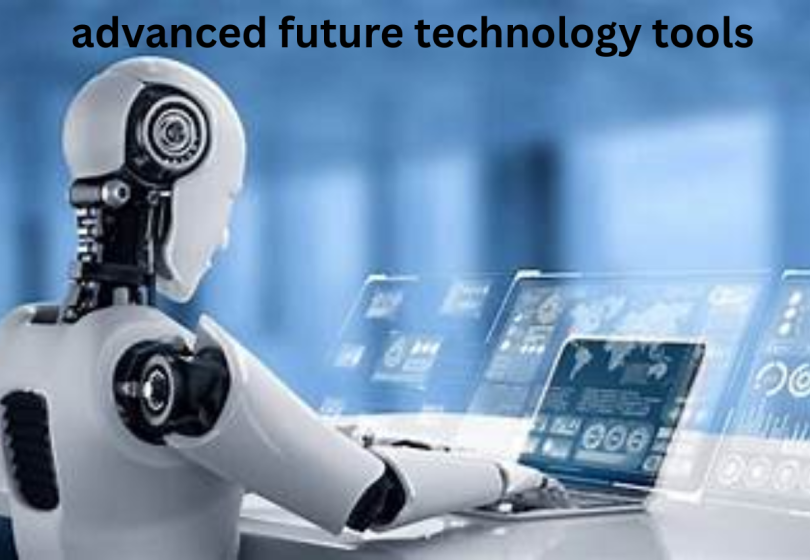

In today’s rapidly evolving world, advanced future technology tools are transforming the way we live, work, and interact. From AI-driven software and smart robotics to cutting-edge healthcare devices and sustainable energy solutions, these tools are not just innovations—they are the building blocks of tomorrow. Exploring these technologies gives us a glimpse into a future where efficiency, personalization, and creativity reach unprecedented levels, making life smarter, safer, and more connected than ever before.
Let’s explore the future together—one idea at a time.
1. Emotionally Aware Artificial Intelligence
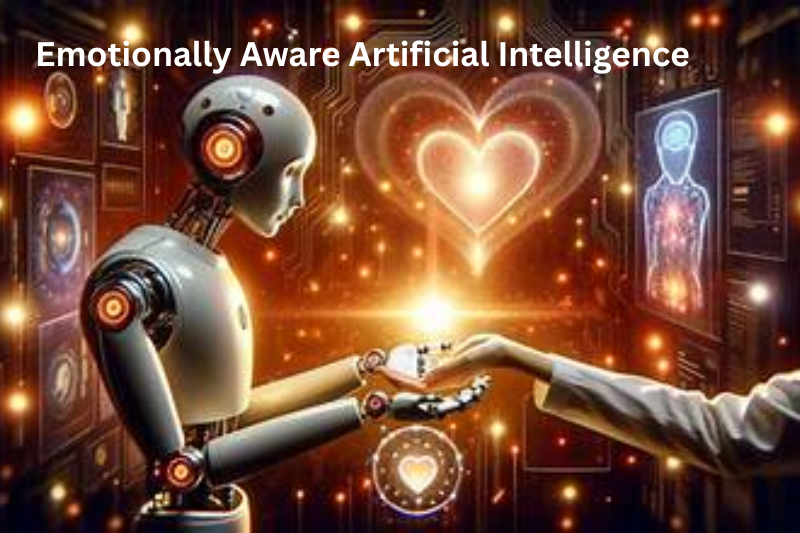
AI has already changed our lives, but the next wave will be much more intuitive and emotionally aware.
What’s Coming?
- AI systems that can detect emotional tone through voice, facial expressions, and behavior
- Highly personalized assistants that adapt to your routines and preferences
- AI therapy assistants and mental-health companions
- Smarter customer service that feels less robotic
Benefits
- Better user experience
- Help with mental health and emotional support
- More accurate suggestions and decision making
- Enhanced learning tools that adapt to your pace
Drawbacks
- Privacy concerns—AI that reads emotions needs access to personal data
- Risk of over-dependence on AI for emotional support
- Possible inaccuracies that misinterpret human feelings
2. Ultra-Smart Homes
Smart homes are becoming more common, but future ones will be fully automated and context-aware.
What’s Coming?
- Homes that adjust temperature, lighting, and security without your commands
- Sensors that detect water leaks, fires, and intruders instantly
- AI-powered energy management to minimize waste
- Fully automated kitchens with robotic cooking assistants
Benefits
- Saves time and effort
- Energy efficiency = lower bills
- Higher safety and security
- Convenience and comfort unmatched by today’s tech
Drawbacks
- High initial setup costs
- Increased risk of hacking if not properly secured
- Technical failures could disrupt daily life
- Privacy concerns with in-home sensors
3. Quantum Computing
If current computers are cars, quantum computers are spaceships.
What’s Coming?
- Solving problems that are impossible for normal computers
- Major breakthroughs in medicine, climate science, and cybersecurity
- Rapid data processing for space exploration and scientific simulations
Benefits
- Faster discovery of new drugs and vaccines
- Safer digital systems resistant to hacking
- Improved global weather forecasting
- Ability to solve major scientific and environmental problems
Drawbacks
- Very expensive to build and maintain
- Requires advanced infrastructure
- Potential threat to traditional encryption systems
- Still in early stages—commercial use may take time
4. Next Generation Health Tech
Healthcare is being transformed from reactive to proactive.
What’s Coming?
- Wearables that detect diseases even before symptoms appear
- AI doctors available 24/7
- Genetic-based personalized medicine
- Nanobots that repair cells from inside the body
Benefits
- Early detection = longer, healthier lives
- Reduced healthcare costs
- Fast medical support anywhere
- Personalized treatments based on your DNA
Drawbacks
- Ethical concerns around genetic editing
- Privacy issues with personal health data
- Cost of advanced treatments
- Risk of over-reliance on digital diagnosis
5. Hyper-Personalized Digital Experiences
Everything—entertainment, shopping, learning—will soon be tailored just for you.
What’s Coming?
- Streaming platforms that create custom movies or music
- Learning apps that adjust difficulty in real time
- Nutrition plans based on your biology
- Personalized shopping powered by AI
Benefits
- Saves time
- Better content and learning experiences
- Higher productivity
- Healthier lifestyle through customized plans
Drawbacks
- Potential loss of privacy
- Filter bubbles—only seeing what algorithms choose
- Harder to discover new things outside your preferences
6. Advanced Robotics in Daily Life
Robots will move beyond factories and become real helpers in homes, hospitals, and businesses.
What’s Coming?
- Robots for cooking, cleaning, and caregiving
- Agricultural robots that manage entire farms
- Industrial robots working side-by-side with humans
- Robot pets and companions
Benefits
- Reduces human labor and fatigue
- Helps elderly or disabled individuals
- Increases productivity in industries
- Safer workplaces by automating dangerous tasks
Drawbacks
- Job displacement in certain fields
- High development and maintenance costs
- Emotional and ethical concerns about robot companions
- Risk of malfunction in critical situations
7. Green and Sustainable Technologies
Future tech isn’t just smart—it’s eco-smart.
What’s Coming?
- Solar paint that turns any surface into an energy source
- Carbon-capture machines installed in homes and cities
- AI-managed smart grids
- Self-healing materials that extend product life
Benefits
- Cleaner planet and reduced carbon emissions
- Lower energy costs
- Less waste due to long-lasting materials
- Better resource management
Drawbacks
- Expensive early-stage implementation
- Technology may take years to scale
- Needs government and global cooperation
- Some new materials may have unknown long-term effects
You may also like to read these posts:
Upcoming Technology Innovations: A Deep Dive Into the Future We’re About to Live In
New Futuristic Tech Devices: A Deep Dive Into the Tech Changing Our Future
Next Generation Tech Ideas: A Detailed Look at the Future of Innovation
advanced future technology tools
8. Metaverse and Immersive Digital Worlds
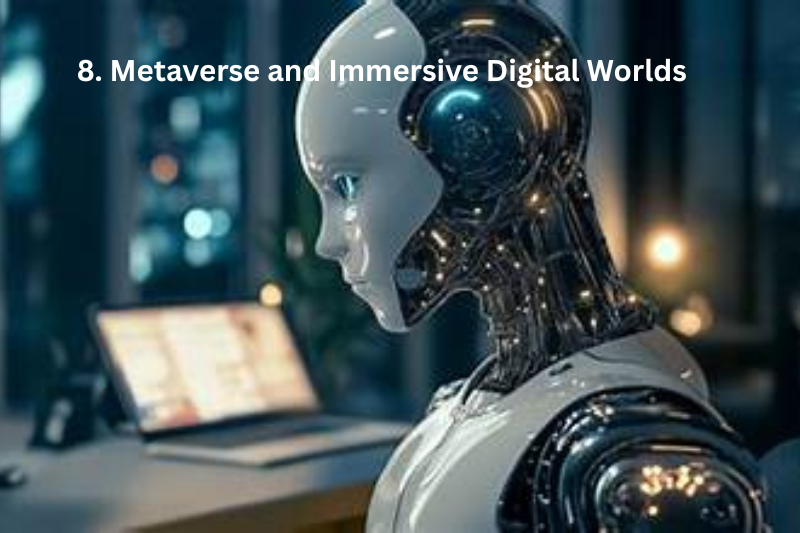
The metaverse will evolve far beyond VR headsets and gaming.
What’s Coming?
- Virtual offices and workspaces as real as physical ones
- Holographic meetings
- Virtual tourism, shopping, and education
- Fully interactive 3D social platforms
Benefits
- Greater connection across distances
- New opportunities for work and business
- Enhanced learning experiences
- Immersive entertainment
Drawbacks
- Addiction risk
- Privacy and tracking concerns
- Expensive equipment for high-quality experiences
- Blurry lines between virtual and real life
9. Next-Generation Transportation
Future transportation will be smarter, faster, and greener.
What’s Coming?
- Fully autonomous (self-driving) cars
- Hyperloop travel at aircraft speeds
- Drone taxis and personal air vehicles
- Smart roads that charge electric vehicles while driving
Benefits
- Reduced traffic accidents
- Faster long-distance travel
- Lower pollution
- Less stress for commuters
Drawbacks
- High infrastructure costs
- Safety concerns during early adoption
- Job loss in driving occupations
- Possible technical failures
Final Thoughts: A Future Full of Possibilities
These next generation tech ideas aren’t just predictions—they’re blueprints for a better, smarter, and more sustainable world. Like everything powerful, they come with both benefits and drawbacks. But with careful development and responsible use, these innovations can transform our lives in ways we’re only beginning to imagine.
FAQs
1. What are next generation tech ideas?
Next generation tech ideas are innovative technologies that are shaping the future, going beyond current solutions. They include AI, smart homes, quantum computing, health tech, robotics, sustainable energy, immersive virtual worlds, and futuristic transportation. These technologies aim to make life smarter, faster, safer, and more personalized.
2. Why are next generation tech ideas important?
These technologies can improve efficiency, enhance quality of life, solve complex problems, and create new opportunities in education, healthcare, business, and entertainment. They also address global challenges like climate change, energy shortages, and resource management.
3. What are some examples of next generation tech ideas?
Emotionally aware AI assistants
Ultra-smart, automated homes
Quantum computing for complex problem-solving
Personalized healthcare and wearables
Robotics for home, industry, and healthcare
Sustainable energy solutions like solar paint and carbon capture
Immersive metaverse platforms
Autonomous and high-speed transportation
4. What are the benefits of these technologies?
Convenience: AI and robotics save time and effort.
Health: Wearables and AI monitoring improve personal wellness.
Efficiency: Smart homes, grids, and transport reduce energy use and waste.
Safety: Predictive systems prevent accidents or failures.
Personalization: Experiences, education, and products tailored to individual needs.
5. What are the drawbacks or risks?
Privacy concerns: Many technologies rely on personal data.
High costs: Advanced tech can be expensive to develop and implement.
Job displacement: Automation may replace certain human jobs.
Dependence on technology: Over-reliance may reduce critical thinking or social interaction.
Security risks: AI, robots, and connected systems can be hacked or misused.