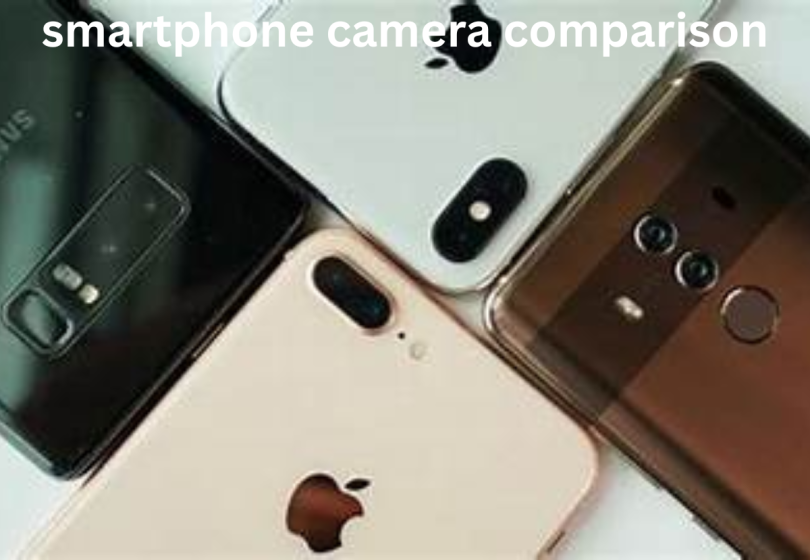

Smartphones have become an essential part of our lives, and one of the most important features today is the camera. From capturing everyday moments to professional-quality photography, the camera can define your experience with a phone. However, with so many options available, choosing the right one can be overwhelming. That’s where a smartphone camera comparison comes in handy. It helps you understand the differences and make an informed decision based on your needs.
In this guide, we’ll walk through the critical factors to consider when comparing smartphone cameras, the benefits and drawbacks of different options, and how to choose the best phone for your photography style.
Why a Smartphone Camera Comparison is Important
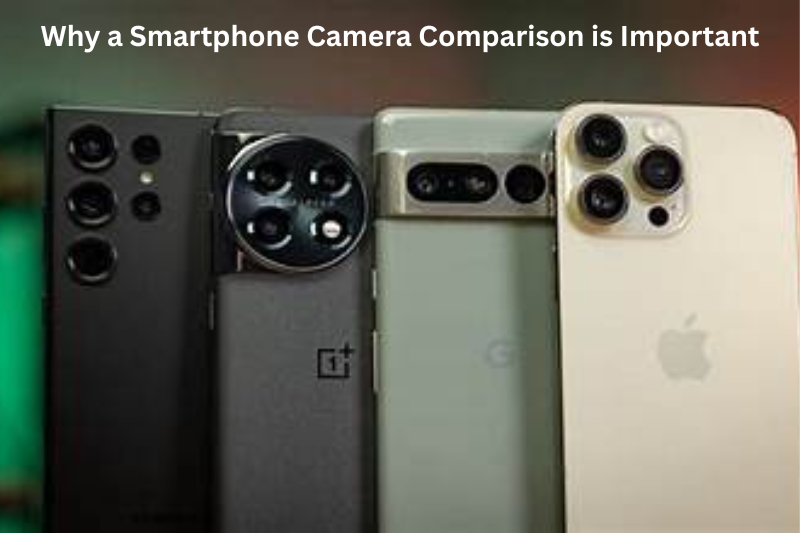
The camera is often the most-used feature on a smartphone. Whether it’s capturing travel memories, family moments, food, documents, or just casual selfies, having a reliable camera can make a huge difference. However, not all cameras are created equal. A smartphone camera comparison allows you to:
- Understand which features matter most for your needs.
- Avoid paying extra for features you may never use.
- Choose a phone that balances hardware and software for optimal image quality.
Key Factors to Consider in a Smartphone Camera Comparison
Here’s a detailed look at the main factors that affect camera performance:
1. Megapixels
Megapixels (MP) indicate the resolution of the camera. A higher megapixel count allows more detailed images and better cropping, but it doesn’t guarantee better quality. The sensor size, lens quality, and image processing play a bigger role in real-world photography.
Benefits:
- Higher resolution allows larger prints and more detailed cropping.
Drawbacks:
- Megapixels alone don’t improve low-light performance.
- Can create larger file sizes that take up storage space.
2. Sensor Size
The sensor captures light to create an image. Larger sensors capture more light, improving clarity, low-light performance, and dynamic range.
Benefits:
- Brighter, clearer photos in low-light conditions.
- Better detail and reduced noise.
Drawbacks:
- Larger sensors require more space, making the phone thicker.
3. Aperture
Aperture, represented as f/numbers (e.g., f/1.6), controls how much light enters the camera. Lower f-numbers allow more light, which is especially useful in low-light conditions and for creating background blur (bokeh).
Benefits:
- Brighter photos in dim lighting.
- Better portrait shots with blurred backgrounds.
Drawbacks:
- Wide apertures can sometimes reduce overall sharpness if not properly managed by software.
4. Image Processing and Software
Modern smartphones rely heavily on computational photography. This includes artificial intelligence (AI) algorithms that enhance images, balance exposure, sharpen details, and improve color accuracy.
Benefits:
- Improves low-light photos and HDR scenes.
- Enhances details automatically without editing.
Drawbacks:
- Some AI processing may exaggerate colors or smooth textures unnaturally.
- Heavily processed images may look less realistic to some users.
5. Lens Variety
Modern smartphones often feature multiple lenses:
- Wide/Main Lens: Everyday photography.
- Ultrawide Lens: Ideal for landscapes and group shots.
- Telephoto Lens: Provides optical zoom without losing quality.
- Periscope Zoom Lens: Advanced zoom for detailed distant shots.
- Macro Lens: Close-up shots of small objects.
Benefits:
- Versatility for different shooting scenarios.
- Enables professional-style photography on a smartphone.
Drawbacks:
- Additional lenses may increase cost.
- Some secondary lenses (like macro) may have lower quality.
6. Video Capabilities
Smartphones today can record high-quality video, including 4K and even 8K resolutions. Key features include frame rates (30/60 fps), optical image stabilization (OIS), HDR video, and cinematic modes.
Benefits:
- Smooth, professional-looking video.
- Ability to capture fast-moving subjects without blur.
Drawbacks:
- High-resolution video consumes significant storage.
- Some phones overheat during extended 4K/8K recording.
Popular Smartphones for Camera Comparison
Here’s a breakdown of popular brands and their strengths and weaknesses in camera performance:
iPhone (Pro Models)
Strengths:
- Excellent color accuracy and natural tones.
- Industry-leading video recording and stabilization.
- Reliable portrait and low-light photography.
Drawbacks:
- Limited optical zoom compared to some Samsung models.
- Higher price point for the latest models.
Samsung Galaxy S/Ultra Series
Strengths:
- Powerful zoom and versatile lens system.
- Bright, vibrant images with high detail.
- Excellent ultrawide performance.
Drawbacks:
- Colors can sometimes be oversaturated.
- Processing can vary between models.
Google Pixel Series
Strengths:
- Best-in-class still photography using AI and computational photography.
- Exceptional low-light performance.
- Consistent image quality.
Drawbacks:
- Video capabilities slightly behind iPhone and Samsung.
- Limited lens variety compared to competitors.
Xiaomi, Oppo, Vivo Flagships
Strengths:
- Large sensors and high megapixel counts.
- Impressive night mode and hardware features.
- Competitive pricing.
Drawbacks:
- Image processing quality varies across models.
- Some cameras may produce inconsistent color balance.
How to Choose the Right Smartphone Camera
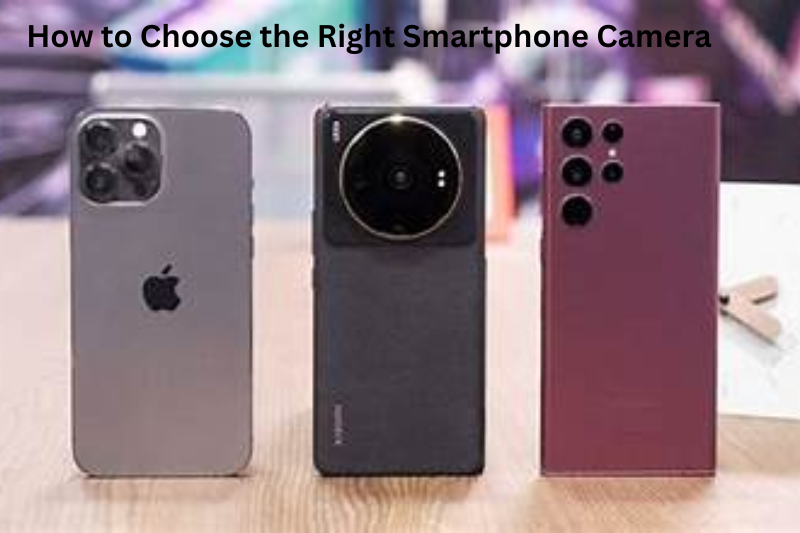
When doing a smartphone camera comparison, consider your priorities:
- If you prioritize natural colors and video quality: iPhone Pro models.
- If you want powerful zoom and vibrant photos: Samsung Galaxy Ultra series.
- If you want AI-assisted photography and excellent night shots: Google Pixel.
- If you want great features at a lower price: Xiaomi, Oppo, or Vivo flagship phones.
Also, think about your use case: social media, professional photography, casual shooting, or travel. This helps you decide which features are most important.
Final Thoughts
A smartphone camera comparison is not just about specs. It’s about understanding how the camera performs in real-life conditions and choosing one that fits your lifestyle. High megapixels alone won’t guarantee better photos; sensor size, lens variety, and image processing play critical roles.
By evaluating the benefits and drawbacks of each option, you can confidently select a smartphone that matches your photography needs. Remember, the “best” camera is the one you actually enjoy using and can rely on every day.
FAQs
1. What is the most important feature to consider when comparing smartphone cameras?
The most important features are sensor size, lens quality, image processing, and low-light performance. Megapixels matter, but they are not the only factor. A smaller sensor with high megapixels often performs worse than a larger sensor with fewer megapixels.
2. Are higher megapixels always better?
Not necessarily. More megapixels allow for higher-resolution images and better cropping, but image quality also depends on sensor size, lens quality, and software processing. Sometimes a 12MP camera can outperform a 48MP camera in real-world scenarios.
3. Which is more important: software or hardware?
Both matter, but software plays a huge role today. AI and computational photography can dramatically improve image quality, especially in low-light situations. Phones like Google Pixel rely heavily on software to produce stunning photos. However, hardware like sensor size and lens quality sets the foundation for great photography.
4. What is the difference between optical zoom and digital zoom?
Optical zoom uses the lens to magnify the subject without losing quality.
Digital zoom enlarges the image using software, which often reduces quality.
Optical zoom is generally preferred for maintaining sharpness and detail.
5. Which smartphone is best for low-light photography?
Phones with large sensors, wide apertures, and advanced AI processing perform best in low-light. Examples include Google Pixel phones, iPhone Pro models, and Samsung Galaxy Ultra series.