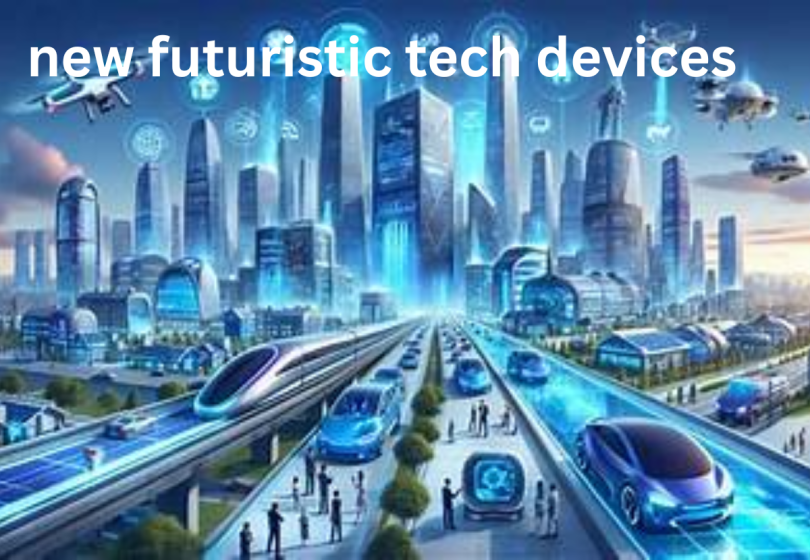

Technology isn’t just evolving—it’s transforming our lives faster than we can keep up. Every year, we see new futuristic tech devices that once belonged only in sci-fi movies. And now? We can actually hold these innovations in our hands, wear them on our bodies, or even place them around our homes.
Let’s explore these game-changing devices in detail, understand how they work, and discuss the real advantages and disadvantages they bring along.
1. Smart Glasses: Digital Info Right in Front of Your Eyes
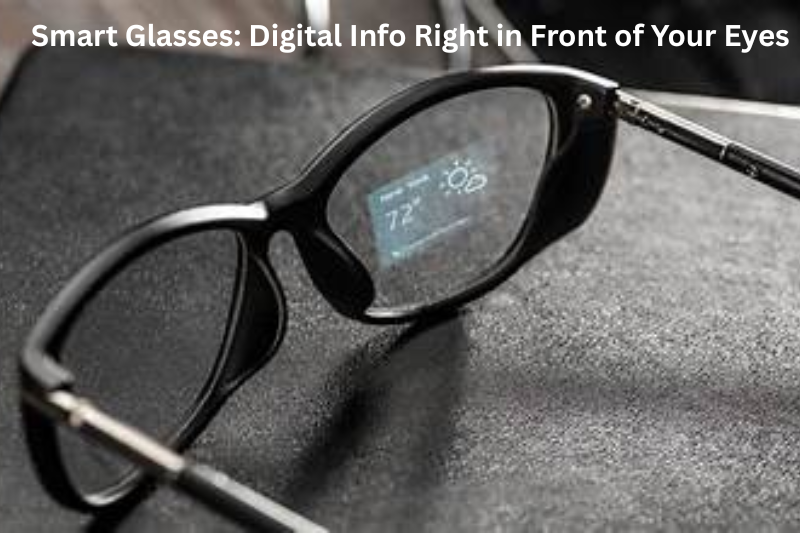
Smart glasses are getting smarter, slimmer, and more useful. These glasses can show directions, read text aloud, translate languages, record video, or overlay digital objects onto the real world.
How They Work
Smart glasses use mini projectors or transparent displays that beam digital information into your field of view. Many also include microphones, cameras, and voice assistants.
Benefits
- Hands-free convenience – Get information without ever picking up your phone.
- Perfect for travel – Real-time translation and navigation make trips smoother.
- Great for professionals – Surgeons, engineers, and technicians can get on-screen instructions without stopping their work.
Drawbacks
- Privacy concerns – Hidden cameras can make people uncomfortable.
- Battery limitations – Most models still struggle to last a full day.
- High cost – The more advanced they get, the more expensive they become.
2. Ultra-Advanced AI Assistants: More Like Companions Than Gadgets
Today’s AI assistants can make appointments, manage smart homes, learn routines, understand emotions, and even hold natural conversations.
Benefits
- Life becomes easier – They help with organization, reminders, groceries, and planning.
- Smarter homes – Your lights, AC, locks, and appliances sync automatically to your lifestyle.
- Personalization – They learn your habits and adapt to you.
Drawbacks
- Data privacy worries – They need personal data to function well.
- Dependence on tech – People might rely too heavily on automation.
- Errors still happen – Not perfect at interpreting complex human language.
3. Holographic Displays: Touchless Control in 3D Space
Holographic devices let you interact with floating images in mid-air. No screen. No buttons. Just gestures.
Benefits
- Super hygienic – No need to touch surfaces.
- Immersive experiences – Perfect for gaming, design, education, and medical training.
- Space-saving – A “screen” that doesn’t physically exist.
Drawbacks
- Expensive technology – Still too pricey for most homes.
- Limited availability – Mostly used in labs, hospitals, or gaming centers.
- Lighting conditions matter – Bright rooms can reduce hologram visibility.
4. Foldable & Rollable Screens: Your Display, Your Way
These screens bend, fold, or roll like paper. Smartphones, tablets, and even TVs are adopting this tech.
Benefits
- Portable but large – A big screen that fits in your pocket.
- New design possibilities – Devices can transform for different needs.
- Multitasking power – More screen space means better productivity.
Drawbacks
- Durability issues – Folding mechanisms may wear out.
- Expensive repairs – Foldable screens cost more to replace.
- Creases – Some models still show visible bending lines.
5. Futuristic Health Wearables: Your Body’s Personal Data Center
Wearables now track blood sugar, hydration, anxiety levels, sleep cycles, and even early signs of illness.
Benefits
- Proactive health – Detect problems before they become serious.
- Convenience – No need for invasive tests for basic data.
- Fitness motivation – Real-time feedback helps users stay consistent.
Drawbacks
- Accuracy varies – Not all wearables are medically reliable.
- Data security issues – Your health information is extremely sensitive.
- Over-monitoring – Some users may become anxious from constant tracking.
6. Personal Mini Robots: Your Helpful Little Sidekick
These small robots can perform tasks, chat with you, assist with home management, and even help children with learning.
Benefits
- Great for elderly or disabled users – Reminders, assistance, and monitoring.
- Entertainment and companionship – They can interact emotionally.
- Helps with daily tasks – Organizing, cleaning, teaching, and more.
Drawbacks
- They’re not cheap – High-quality robots cost a lot.
- Limited capabilities – Not as advanced as human helpers yet.
- Maintenance and updates – Robots need software and sometimes hardware care.
You may also like to read these posts:
Next Generation Tech Ideas: A Detailed Look at the Future of Innovation
advanced future technology tools
Future Tech Trends 2026: A Deep Dive Into What’s Coming Next
Upcoming Technology Innovations: A Deep Dive Into the Future We’re About to Live In
7. True Wireless Charging: Power Through the Air
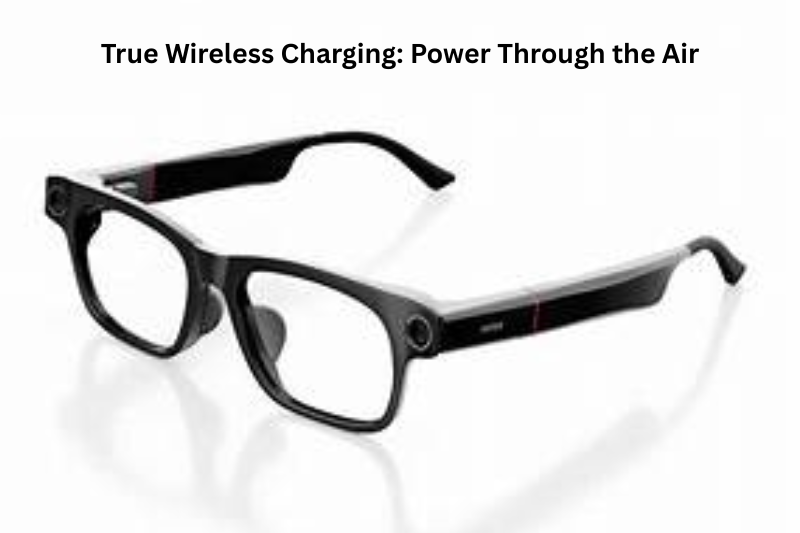
This emerging tech charges your devices automatically just by being in a room—no cables, no pads, no contact.
Benefits
- Convenience – Devices stay charged without effort.
- Always ready – No more forgetting to plug in your phone.
- Less cable clutter – A cleaner workspace or home.
Drawbacks
- Early-stage tech – Not widely available yet.
- Efficiency issues – Energy loss over distance is still a challenge.
- Safety concerns – Requires strict regulations on radiation levels.
8. Fully Intelligent Smart Homes: Homes That Think
New futuristic tech devices are turning our homes into living environments that adjust to our comfort and routines.
Benefits
- Saves time – Automation handles repetitive tasks.
- Energy efficient – Smart thermostats and lighting reduce waste.
- Improved security – Cameras, sensors, and smart locks add safety.
Drawbacks
- Complex setup – Integration can be difficult for beginners.
- Expensive upgrades – Smart appliances cost more.
- Network dependency – If Wi-Fi drops, the system may fail.
Final Thoughts: Are Futuristic Devices Worth It?
Absolutely—new futuristic tech devices are shaping a smarter, more connected, and more efficient world.
They bring powerful benefits: convenience, productivity, safety, entertainment, and healthier lifestyles.
But they also come with drawbacks: cost, privacy concerns, durability issues, and dependency on technology.
The key is balance.
Use technology as a tool—not a crutch—and these innovations can greatly enhance your life.
FAQs
1. What are futuristic tech devices?
Futuristic tech devices are gadgets and innovations that use cutting-edge technology to improve daily life, often resembling science fiction ideas. Examples include AI assistants, holographic displays, foldable screens, smart glasses, and advanced health wearables.
2. Are these new futuristic tech devices safe to use?
Most are safe, but safety depends on the device type. For example, AI assistants or smart home devices store personal data, so privacy is important. Health wearables are mostly safe, but always check for accuracy and medical approvals if they monitor critical health data.
3. How can futuristic tech devices make my life easier?
These devices offer convenience, automation, and real-time insights. For instance:
Smart homes automate lights, security, and appliances.
Health wearables monitor your body and alert you to potential problems.
Foldable or holographic screens increase productivity and entertainment possibilities.
4. What are the drawbacks of using these devices?
Some common drawbacks include:
High cost and maintenance
Privacy and data security concerns
Dependency on technology
Durability issues with newer devices (like foldable screens)
5. Are futuristic tech devices worth buying now?
It depends on your needs and budget. If you value convenience, health monitoring, or home automation, investing in these devices can be worth it. However, some early-stage technologies can be expensive or limited in features, so researching before buying is key.