
The world is evolving at an unprecedented pace, and staying informed about the latest advancements is more important than ever. Future digital technology updates are shaping the way we live, work, and interact, from artificial intelligence and robotics to virtual reality and smart devices. These updates not only promise to make our lives more convenient and efficient but also redefine industries, education, healthcare, and entertainment. By exploring these emerging technologies today, we can better prepare for the innovations that will define tomorrow.
Let’s take a detailed tour of some of the most promising technologies shaping our future, and discuss their potential benefits and drawbacks.
1. AI That Understands Humans
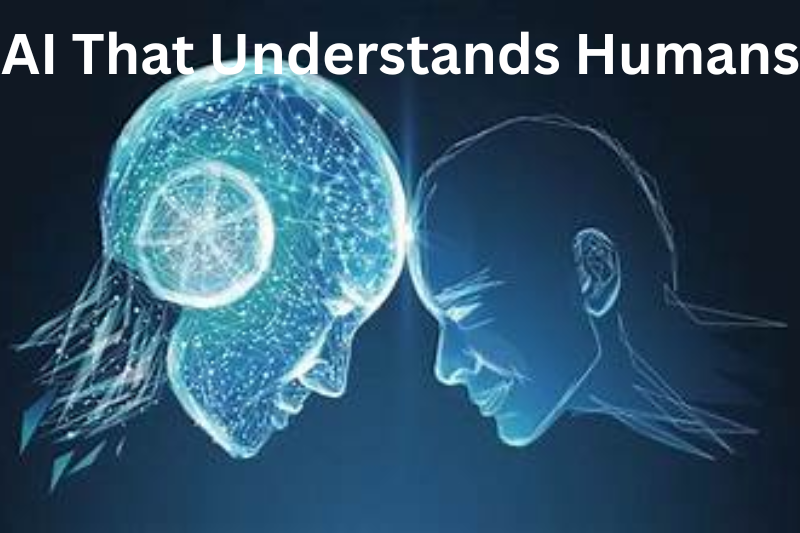
Artificial Intelligence (AI) has already made our lives easier, from voice assistants to recommendation systems. The next generation of AI is poised to go beyond basic tasks to truly understanding human behavior, emotions, and needs.
How it works:
These AI systems use advanced machine learning and neural networks to analyze patterns in your behavior, communication, and preferences. They can adapt their responses to suit your mood and needs.
Benefits:
- Personalized assistance tailored to your habits and preferences.
- Improved productivity through smart scheduling and task prioritization.
- Enhanced education through AI tutors that adapt to learning styles.
- Mental health support through AI that recognizes stress patterns or signs of burnout.
Drawbacks:
- Privacy concerns due to constant monitoring and data collection.
- Risk of over-dependence on AI for decision-making.
- Potential bias in AI systems leading to unfair recommendations or responses.
2. Hyper-Personalized Medicine
The future of healthcare is not “one-size-fits-all.” Hyper-personalized medicine uses your genetic information, lifestyle, and environment to create treatments that are unique to you.
How it works:
Through DNA sequencing, wearable health monitors, and AI-driven diagnostics, doctors can predict health risks, suggest preventive measures, and tailor treatments specifically to an individual.
Benefits:
- More effective treatments with fewer side effects.
- Early detection and prevention of diseases.
- Reduced trial-and-error in medications.
- Better management of chronic illnesses.
Drawbacks:
- High costs of personalized treatments may limit access.
- Ethical concerns regarding genetic manipulation and privacy.
- Potential for healthcare inequality between those who can afford advanced technology and those who cannot.
3. Quantum Computing
Quantum computing represents a revolutionary leap in processing power. Unlike traditional computers, quantum computers leverage quantum bits (qubits) to perform calculations at unimaginable speeds.
How it works:
Quantum computers use principles of quantum mechanics like superposition and entanglement to solve problems that are practically impossible for classical computers.
Benefits:
- Rapid problem-solving for complex scientific research.
- Accelerated drug discovery and material science innovation.
- Optimization of global supply chains and logistics.
- Advanced simulations for climate modeling and disaster management.
Drawbacks:
- Extremely expensive and complex to build and maintain.
- High energy consumption for current prototypes.
- Security risks if quantum computing breaks current encryption methods.
4. Clean and Unlimited Energy
Energy technology is essential for a sustainable future. Next-generation ideas aim to provide clean, renewable, and abundant energy to power the world.
Key technologies:
- Fusion Energy: Mimics the sun’s energy process to generate massive amounts of power with minimal waste.
- Space-Based Solar Power: Large solar arrays in orbit could provide uninterrupted energy to Earth.
- Advanced Batteries: Long-lasting, ultra-fast charging, and safer storage solutions.
Benefits:
- Reduces dependence on fossil fuels.
- Minimizes environmental pollution and carbon emissions.
- Could stabilize global energy supply, reducing shortages.
Drawbacks:
- Fusion energy and space-based solar power are still experimental and costly.
- Infrastructure upgrades are needed for widespread adoption.
- Environmental concerns in case of large-scale solar arrays or battery waste.
5. Smart Cities
Smart cities integrate technology into urban planning to create more efficient, sustainable, and livable environments.
How it works:
Sensors, AI, and interconnected systems manage traffic, energy, waste, and public safety in real time.
Benefits:
- Reduced traffic congestion and emissions.
- Improved safety through predictive monitoring.
- Efficient public services and resource management.
- Enhanced quality of life for residents.
Drawbacks:
- High initial investment and maintenance costs.
- Privacy concerns with constant monitoring of citizens.
- Risk of cyberattacks disrupting essential city functions.
6. Mixed Reality Worlds
Mixed reality (MR) combines virtual reality (VR) and augmented reality (AR) to create environments where digital and physical worlds blend seamlessly.
How it works:
MR devices overlay digital objects onto real-world environments and allow interaction with both simultaneously.
Benefits:
- Immersive learning and training experiences.
- Enhanced remote collaboration and virtual workplaces.
- Revolutionary gaming and entertainment experiences.
- Improved shopping experiences through virtual try-ons.
Drawbacks:
- High cost of devices and software development.
- Potential health issues like eye strain or motion sickness.
- Risk of social isolation if overused.
You may also like to read these posts:
Future Tech Trends 2026: A Deep Dive Into What’s Coming Next
Upcoming Technology Innovations: A Deep Dive Into the Future We’re About to Live In
New Futuristic Tech Devices: A Deep Dive Into the Tech Changing Our Future
advanced future technology tools
7. Self-Evolving Robots
Robots are becoming smarter, adaptable, and more capable of performing complex tasks without constant human supervision.
How it works:
Using AI, machine learning, and advanced materials, robots can adapt to new tasks, repair themselves, and work safely alongside humans.
Benefits:
- Assistance in homes, hospitals, and workplaces.
- Increased productivity and precision in industrial tasks.
- Ability to handle dangerous environments safely.
- Potential support for elderly or disabled individuals.
Drawbacks:
- Job displacement in certain sectors.
- High development and maintenance costs.
- Ethical concerns about autonomous decision-making.
8. Biotechnology and Human Enhancement
Biotechnology is pushing the boundaries of human health, longevity, and capabilities.
How it works:
Through genetic engineering, lab-grown organs, wearable health monitoring, and neural implants, humans can enhance their physical and cognitive abilities.
Benefits:
- Potential to prevent or cure genetic diseases.
- Improved physical and mental capabilities.
- Better monitoring and management of health.
- Possibility of extending human lifespan.
Drawbacks:
- Ethical concerns about genetic modification and enhancement.
- Risk of creating social inequality.
- Long-term health impacts of interventions may be unknown.
Conclusion
The future of technology is exhilarating, and exploring next generation tech ideas gives us insight into how innovation could transform every aspect of life—from healthcare to energy, cities, and personal experiences. While the benefits are immense, each of these technologies also comes with potential drawbacks that need careful consideration.
Ultimately, the key is to embrace innovation thoughtfully, ensuring that advancements improve quality of life while addressing ethical, environmental, and social challenges.
The future is not just coming—it is being built today, and these technologies are the tools shaping it.
FAQs
1. What are next generation tech ideas?
Next generation tech ideas are innovative technologies that are expected to shape the future. They go beyond current advancements and often include AI, biotechnology, quantum computing, renewable energy, smart cities, and more. These ideas focus on solving big problems and improving the quality of life.
2. Why are next generation technologies important?
These technologies are crucial because they can transform industries, improve healthcare, reduce environmental impact, and enhance daily life. They help us tackle complex global challenges and make processes faster, safer, and more efficient.
3. Can these technologies be dangerous?
Yes, like any powerful tool, next generation technologies have potential risks. For example, AI may impact privacy, biotechnology raises ethical concerns, and quantum computing could compromise security. Careful planning, regulation, and ethical guidelines are necessary to minimize risks.
4. How soon will these technologies be available?
Some technologies, like AI and smart city applications, are already in use. Others, like quantum computing, fusion energy, and advanced biotechnology, may take several years to become mainstream. The timeline depends on research, investment, and technological breakthroughs.
5. What are the benefits of next generation tech ideas?
Benefits include improved healthcare, clean energy solutions, smarter cities, faster computation, enhanced education, safer workplaces, and better overall quality of life. They also create new opportunities for innovation and economic growth.