Technology is evolving so fast that sometimes it feels like we’re living in a sci-fi movie. And guess what? By the time we reach 2026, things will look even more futuristic. So let’s have a friendly, easy conversation about the future tech trends 2026 that will soon become part of your daily life—what they mean for you, how they’ll help, and yes, the drawbacks too (because nothing is perfect).
Grab a coffee; let’s explore the future together.
1. AI Everywhere — More Human, More Capable
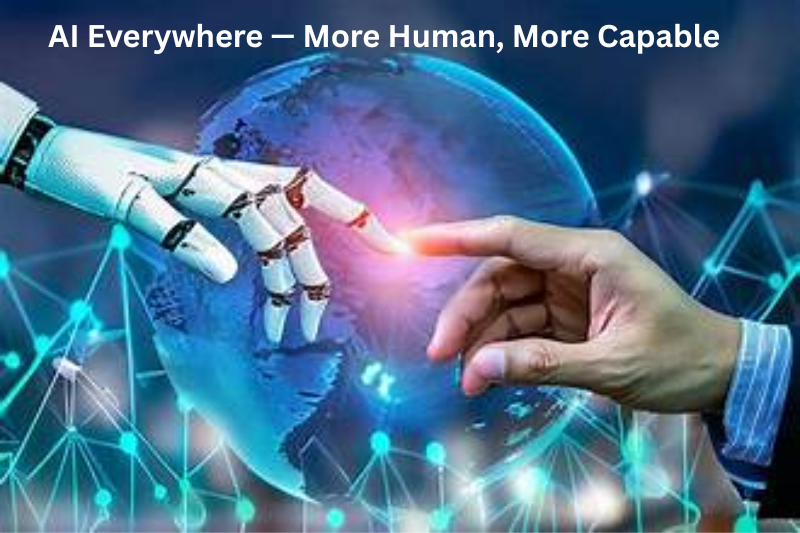
AI is already big, but by 2026, it’s going to be everywhere. Not in a scary “robot takeover” way—more in a “wow, this is actually helpful” way.
What’s coming?
- AI will understand emotions, tone, and context better.
- AI assistants will help you plan your day, manage your health, or even handle business tasks.
- Companies will use AI to improve customer service dramatically.
Benefits
- Saves time by automating boring tasks.
- Personalized recommendations become more accurate.
- Businesses operate faster and smarter.
Drawbacks
- Job displacement in repetitive-task roles.
- Privacy concerns due to increased data usage.
- Risk of overdependence on AI for decision-making.
2. Hyper-Personalized Digital Experiences
One of the major future tech trends 2026 is hyper-personalization—technology that adapts to YOU.
What’s coming?
- Apps that adjust layouts, content, and recommendations based on your habits.
- Cars that recognize you and set the temperature, music, or navigation automatically.
- Health apps that give personalized diet and fitness plans.
Benefits
- Better user experience.
- Saves time by reducing decision fatigue.
- Makes learning, shopping, and entertainment more enjoyable.
Drawbacks
- Requires collecting detailed behavioral data.
- Higher risk of data breaches.
- Can create an “echo chamber” where you only see what aligns with your habits.
3. Mixed Reality (MR) Will Blend Virtual and Real Worlds
By 2026, MR will go mainstream. Not just games—work, education, and entertainment too.
What’s coming?
- Virtual meetings that look like the person is standing in front of you.
- Holographic screens that replace physical monitors.
- Students learning science or history through immersive 3D lessons.
- Lightweight MR glasses replacing bulky VR headsets.
Benefits
- More interactive learning and training.
- Better collaboration for remote workers.
- Amazing entertainment and gaming experiences.
Drawbacks
- Expensive hardware (initially).
- May cause eye strain or motion discomfort.
- Potential social isolation if people prefer virtual worlds.
4. Autonomous Everything — Cars, Deliveries, Factories
Automation is one of the most powerful future tech trends 2026.
What’s coming?
- Self-driving delivery robots and vans.
- AI-driven factories that need minimal human control.
- Automated workflows in offices, reducing repetitive tasks.
Benefits
- Increased productivity.
- Fewer accidents caused by human error.
- Faster and more reliable deliveries.
Drawbacks
- Job loss in transportation and manufacturing.
- High costs of maintenance and regulation.
- Ethical concerns around AI decision-making during emergencies.
5. Sustainability Tech Becomes a Priority
Tech is finally becoming more eco-friendly—because it has to.
What’s coming?
- Biodegradable electronics.
- Solar roofing tiles replacing traditional roofs.
- AI-powered energy systems that reduce waste.
- Electric vehicles with ultra-fast charging.
Benefits
- Reduces pollution and waste.
- Saves money on energy long-term.
- Encourages eco-conscious habits.
Drawbacks
- Higher initial cost for sustainable tech.
- Recycling issues for older gadgets.
- Requires new infrastructure.
6. Quantum Computing Becomes Practical
Quantum computing won’t replace your laptop, but it will solve problems normal computers can’t.
What’s coming?
- Faster drug discovery and advanced medical research.
- Better cybersecurity protocols.
- Ultra-optimized logistics for shipping, traffic, and supply chains.
Benefits
- Massive scientific breakthroughs.
- Stronger encryption and security.
- Solves complex global problems (e.g., climate modeling).
Drawbacks
- Super expensive to operate.
- Risk of breaking traditional encryption.
- Requires highly specialized knowledge to use.
7. Health Tech Gets Predictive and Personal
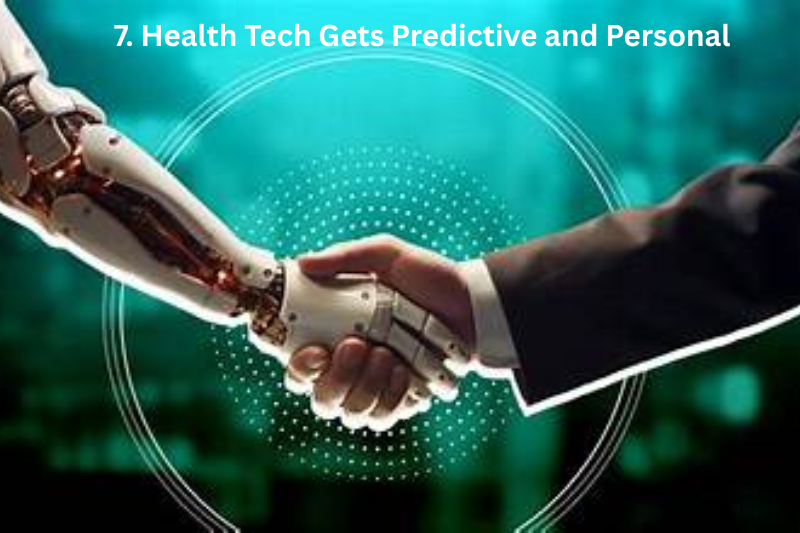
This is one of the most meaningful future tech trends 2026.
What’s coming?
- Wearables that detect disease early—even before symptoms appear.
- AI doctors that analyze your medical history instantly.
- Robotic-assisted remote surgeries.
- Apps that create fully personalized health plans.
Benefits
- Better prevention, not just treatment.
- Reduces healthcare costs.
- Early diagnosis saves lives.
Drawbacks
- Sensitive medical data privacy risks.
- Overreliance on digital advice.
- Inequality—advanced tech may be expensive initially.
You may also like to read these posts:
Future Tech Trends 2026: A Deep Dive Into What’s Coming Next
Upcoming Technology Innovations: A Deep Dive Into the Future We’re About to Live In
New Futuristic Tech Devices: A Deep Dive Into the Tech Changing Our Future
Next Generation Tech Ideas: A Detailed Look at the Future of Innovation
8. Web3 and Digital Ownership Returns Stronger
Web3 may have struggled, but the core idea is still powerful.
What’s coming?
- Safer decentralized financial platforms.
- Verified digital identities to avoid fraud.
- Digital asset ownership becoming normal (tickets, art, documents).
Benefits
- More control over personal data.
- New earning opportunities in decentralized platforms.
- Reduced fraud and more transparency.
Drawbacks
- Hard for newcomers to understand.
- Scams and poor regulations still exist.
- Highly volatile markets (crypto, NFTs).
9. Robots Become Household Helpers
Robots won’t be sci-fi—they’ll be everyday tools.
What’s coming?
- Cleaning robots that do more than vacuum.
- Robots that help seniors live independently.
- Robots assisting in stores, hospitals, and hotels.
Benefits
- Saves time on daily chores.
- Supports healthcare and assisted living.
- Boosts efficiency in workplaces.
Drawbacks
- High cost for personal robots.
- Ethical concerns in caregiving roles.
- Risk of technical malfunctions.
10. Natural Interaction With Technology
Technology becomes more human and intuitive.
What’s coming?
- Devices that understand emotion through tone and facial cues.
- Gesture-controlled interfaces.
- Smart assistants that communicate like real people.
Benefits
- Easier for everyone—including seniors and kids.
- Reduces learning curve for new devices.
- Makes technology feel comfortable and accessible.
Drawbacks
- Constant monitoring raises privacy issues.
- Misinterpretation of emotion or intent.
- Could reduce real human interaction.
Final Thoughts: The Future Is Exciting—But Complex
The future tech trends 2026 paint a picture of a world that’s smarter, faster, and more connected than ever. These innovations will help us save time, improve our health, protect the environment, and unlock creativity like never before.
But every advancement brings challenges too—privacy risks, job displacement, and ethical concerns.
In other words:
The future isn’t just about better technology; it’s about using it responsibly.
FAQs
1. What are the biggest future tech trends in 2026?
Some of the biggest trends include:
Smarter AI and automation
Hyper-personalized digital experiences
Mixed Reality (MR) and immersive technologies
Autonomous vehicles and delivery systems
Sustainable and eco-friendly technology
Quantum computing
Predictive health tech
Web3 and digital ownership
Household and workplace robots
Natural, intuitive human-technology interaction
2. How will AI impact our lives by 2026?
AI will become smarter, understanding context and emotion. It will assist in daily tasks, decision-making, healthcare, and business operations. The goal is to make technology more helpful, not just functional.
3. What is Mixed Reality (MR), and why is it important?
Mixed Reality blends the physical and virtual worlds. Unlike VR or AR alone, MR allows digital objects to interact with real-world environments. By 2026, MR will enhance gaming, education, remote work, and entertainment.
4. Will autonomous cars be common by 2026?
Yes, self-driving technology is expected to be much more reliable and widespread, particularly in delivery, logistics, and urban transport. However, full adoption may vary depending on regulations and infrastructure.
5. How will sustainability tech change our lives?
Sustainable tech, such as biodegradable electronics, solar roofing, and smart energy grids, will reduce pollution, save energy, and make technology eco-friendly.